Hazards in Forestry Hazard: “any source of potential damage, harm or adverse health effects on something or someone under certain conditions at work”. (CCOHS, 2005).
Chemical Hazards: Hazardous
Chemicals: Paints used to mark logs are often
hazardous. Dermal exposure can cause
irritation and other side effects. Hydraulic Oil: If the machines are not shut down and cooled off before maintenance is attempted, the employee may be scalded by hot hydraulic oil or other hazardous substances. (WorkSafe Victoria, 2007) Biological Hazard Insect outbreak: Disturbing the natural environment can lead to insect outbreaks in the forest. This affects the product as well as the employees working in the area. Also damage done to the trees by insect infestation can increase the risk of falling trees. (Ontario Ministry of Natural Resources, 2008)
Mechanical Hazard Crushing: Fingers can be easily crushed when handling heavy blocks. Since there are many jobs in forestry that are hands on, there is an increase potential for these types of injuries in this sector. Kickback: When using hand held equipment such as a chain saw there is potential for it to kickback or recoil and strike the operator. Rolling objects: During log extraction, it is possible for there to be rolling objects depending on the landscape of the worksite. These objects can include rocks, logs, and equipment that have tipped over. (WorkSafe Victoria, 2009) Falling trees: Trees that have been left in the area as wildlife trees can be dangerous to those working in the vicinity. These can be blown over due to strong winds or other harsh weather conditions. They are also tripping hazards. (Ontario Ministry of Natural Resources, 2008) Flying
and falling debris: When certain pieces of
mobile equipment are in use, there is the possibility of flying debris from
impact, cutting, shearing or sweeping attachments which could injure operators
and other workers. Similar to this, in the forestry industry, there is always
the possibility of falling trees and limbs which could damage the equipment,
the operator and other workers. (WorkSafe BC, 1994A)
Physical Hazard
Vibrations: If the equipment purchased is not up to date there is a possibility
that it does not meet the standards for reducing harmful vibrations. If the wheels and tracks are old, they will
not be able to dissipate the shaking. This results in the operator's body being violently shaken inside the cockpit. Unsupported equipment: If a boom is missing a support or a guard is removed, there is a potential for a forester to be struck by the unsupported boom or injured by an unguarded piece of equipment. Heights: There is always an increased potential for harm when work needs to be completed off of the ground. Oftentimes in forestry maintenance and repairs must be done to large machines which increase the risk of falling from an elevated surface. Electricity: Cutting down trees and brush near power lines can be a potential electrical hazard. Maintenance: Oftentimes people find it easier to perform maintenance (for example greasing) on a machine while it is still running in order to save time. This increases the chance that a person may be injured or killed by the equipment. (WorkSafe Victoria, 2007) Noise: Most mobile equipment used in the forestry industry is very loud and damaging to the sense of hearing of operators and other workers if not properly monitored or protected. (WorkSafe Victoria, 2009A)Extreme Temperature: As with many jobs that are done outside there is the hazard of extreme temperatures. As forestry has become a year round sector, the extreme temperatures could range from dangerously low to high (WorkSafe Victoria, 2009B) Biomechanical (ergonomic) Hazards Repetitive movements: The repetitive movements associated with manipulating the controls in the mobile equipment are potentially hazardous and could lead to a variety of repetitive use injuries. Back strain is commonly sited as a problem for forestry employees due to the repetitive throwing of chains to secure the loads. Poor lighting: Working the night shift outside can lead to poor lighting conditions. This leads to a potential visibility issue. Strains: There is a possibility for slips, trips, or falls while getting in and out of machines. Since the equipment used in forestry is often quite large and difficult to get in and out of, there is an increase in the chance of a strain. (WorkSafe Victoria, 2007) Control layout: an improper or poor layout of the controls used to operate the equipment could lead to operator fatigue or more serious ergonomic injuries. |
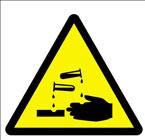 (Safetyshop.com, 2009)
 (Health.vic.gov.au/ohs, 2009)
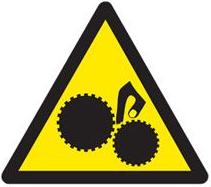 (Safetyshop.com, 2009)
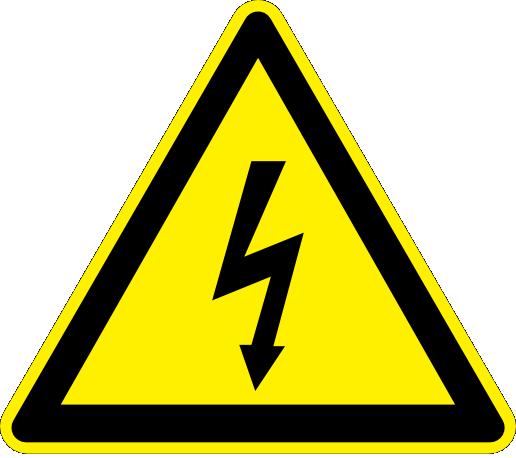 (Clker.com, 2009)
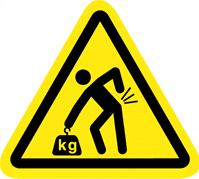 (Safetylabelsolutions.com, 2009) |
