Increased Risk
Factors that Increase Incidences
of Accidents and Injuries
Hills and inclines: When operating mobile equipment on hills and inclines, there is always the possibility of the machine tipping over. This is exacerbated with poor weather conditions, slippery/muddy terrain, and inexperienced operators. (WorkSafe BC, 2008)
| (DTF, 2009) 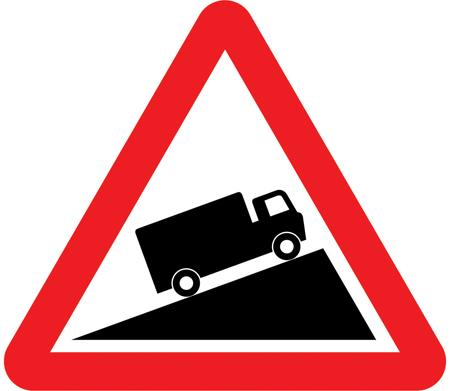 Link to article "Worker dies when rubber-tired skidder rolls down slope" |
Inclimate Weather Conditions: Weather conditions such as
rain and extreme winds and ice can be a potential risk factor when operating
mobile equipment in the forestry industry. Hard falling rain may cause poor
visibility for operators as well as lead to slick terrain which is difficult to
maneuver. Similarly, extreme winds can make extracting and transporting trees
difficult and also increases the possibility of potentially hazardous flying
limbs. Finally, icy terrain can be difficult for the mobile equipment to drive
on; it increases the possibility of dangerous slipping and sliding, and consequently personal injury. (WorkSafe BC, 1997) | (NZTourmaps.com, 2009) 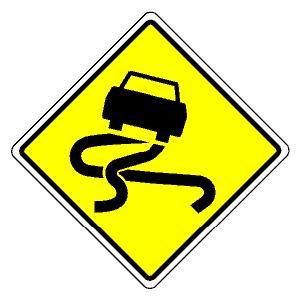 Link to article "Adjust driving to meet road conditions" |
Slippery and muddy terrain: This risk factor is a continuation of the last, but does not necessarily have to result from inclimate weather. As mentioned before, this terrain is difficult for the tread of both the tires and tracks of mobile equipment to grip in order to operate properly. Sliding and tipping is often associated with slippery and/or muddy terrain, which can increase the risk of machinery falling over, or falling down an incline, resulting in injuries or death. (WorkSafe BC, 1993)
| (AuctionPax.co.uk, 2009) 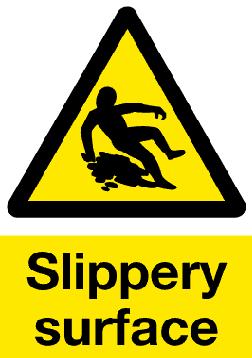 Link to article "Operator Charge-hand" |
Fatigue, Inexperience, Stress, and Distractions: Often, it is the worker operating the equipment that if improperly used, or controlled, can lead to dangerous situations. These factors can lead to incidents and accidents. (WorkSafe BC, 2009) | 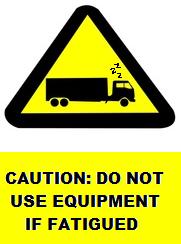 Link to article "Young worker seriously injured by runaway tractor" |
Flying
and falling debris: When certain pieces of
mobile equipment are in use, there is the possibility of flying debris from
impact, cutting, shearing or sweeping attachments which could injure operators
and other workers. Similar to this, in the forestry industry, there is always
the possibility of falling trees and limbs which could damage the equipment,
the operator and other workers. (WorkSafe BC, 1994A) | (safety-signage.com, 2009) 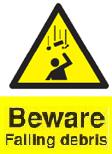 Link to article "Truck driver crushed" |
Most mobile equipment have inherent blind spots—areas that cannot be observed under the existing circumstances. These enhance the risk to workers safety since there are large areas around the machine that are blind to the operator. Workers on the ground in these areas are at a higher risk for injury from a mechanical hazard. The following is a link that shows a workplace fatality that occurred because the worker failed to maintain visual contact with the operator and was consequently run over. (WorkSafe BC, 1998)
Equipment malfunctions/breakdowns:
Most of the mobile
machinery used in the forestry industry is very large and complex with many
parts that could potentially break down. Some equipment failures often noted
are break failures, breaking chains, severed hydraulic hoses, and dropping
booms to name a few. If these
failures are not corrected before use, the consequences could be
disastrous. If maintenance is not done properly (or not done at all)
machines can break which can lead to fatalities. This was the case in
the following link: (WorkSafe BC, 1994B)
Equipment overload:
This occurs when a piece of mobile equipment is
carrying loads above its capacity (as determined by the manufacturer). If
equipment is loaded above its capacity, dangerous circumstances such as tipping
may occur. The following link demonstrates what can happen when equipment is overloaded. (WorkSafe BC, 1995)
